Facebook
 X
 Pinterest
 Copy Link
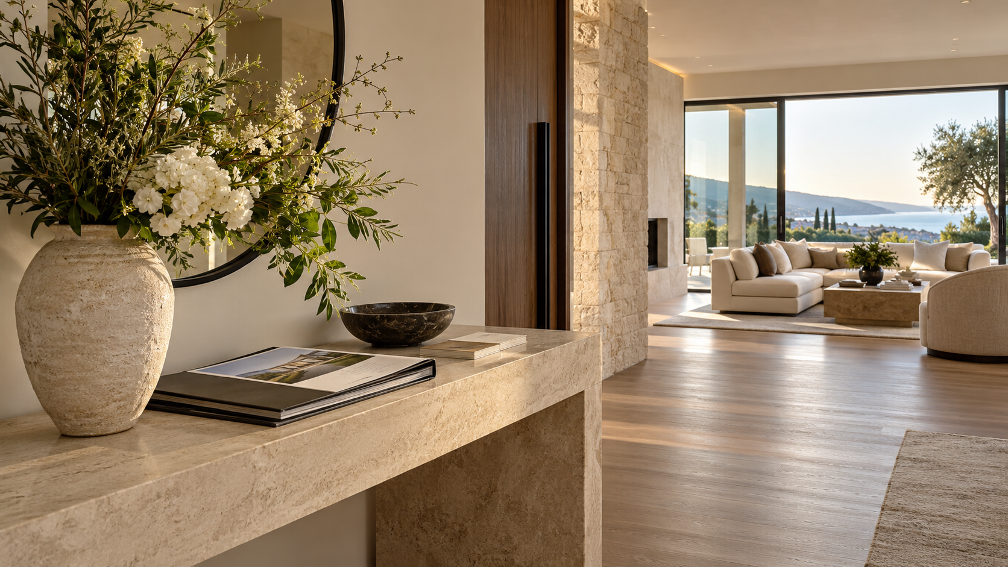
A thoughtful open-house experience can demonstrate how an agent represents a distinctive property.
A luxury open house should serve the current seller first. It should present the property well, create a controlled experience and make it easier for qualified visitors to understand the home. When that standard is met, the event can also demonstrate how the agent would represent another distinctive property.
Future listing opportunities rarely come from turning the open house into a sales pitch. They develop when homeowners and agents observe thoughtful preparation, informed conversation and professional follow-through. The opportunity is created by the quality of the work.
Begin With the Seller’s Objective
Before planning invitations or follow-up, define what the seller needs the event to accomplish. The purpose may be to introduce the listing to local agents, create access for a concentrated group of buyers or gather informed feedback about the property’s position.
Discuss the audience, timing, access, privacy and information that may be shared. If the seller prefers a limited event, respect that decision. A future prospect should never receive attention at the expense of the client whose home you are representing.
Set a measurable objective for the event. That might include qualified visits, conversations with agents who represent likely buyers or feedback about a feature that requires better explanation. A clear objective keeps the event from becoming an expensive social gathering without a strategic role.
Design the Luxury Open House Around the Property
A luxury open house should feel appropriate to the home rather than follow a generic event formula. Start with the property’s strongest market position and decide what visitors must experience to understand it.
A waterfront property may require time outside and clear information about access, elevation or shoreline conditions. A historic residence may benefit from renovation records and architectural details. A large estate may need a defined route so guests understand how the structures and grounds relate to one another.
Use the property story to guide the invitation, timing, route and materials. The event should make important features easier to notice without feeling staged for spectacle.
My article on
Luxury Listing Launch Decisions That Protect the First Impression explains why the public experience should match the promise of the marketing. The same principle should guide every open-house detail.
Invite People for a Clear Reason
A large invitation list does not automatically produce a useful event. Identify the people who can contribute to the listing’s objective. That group may include agents with relevant buyers, nearby homeowners, relocation contacts or professionals whose clients have a connection to the market.
Segment the outreach so the invitation has context. An agent preview may focus on property information and buyer fit. A neighborhood invitation may acknowledge that local owners often know people who want to move into the area. A private client event may require a more limited and personal approach.
Avoid implying that attendance requires a future real estate conversation. Give people a genuine reason to visit, then let the quality of the experience demonstrate your standard.
Prepare for Better Luxury Open House Conversations
Know more than the room count and list price. Be ready to explain the property’s positioning, preparation choices, notable systems, important improvements and any information the seller has authorized you to share.
At the same time, prepare several open questions that help you understand each visitor:
- What brought you to the property today?
- Are you familiar with this neighborhood or property type?
- Which features stand out to you?
- Are you comparing this home with anything else in the market?
- What questions would help you evaluate it more clearly?
These questions create a property-focused conversation. They also reveal whether the visitor is a buyer, an agent, a curious neighbor or a homeowner beginning to consider a future move.
Let Prospective Sellers See Your Process
Homeowners often evaluate an agent before they identify themselves as potential sellers. They notice whether the home is prepared carefully, whether guests are greeted without pressure and whether the agent can explain the strategy behind the presentation.
Do not interrupt the event to describe everything you would do for another listing. Instead, answer relevant questions with enough context to show your thinking.
For example, if a visitor comments on the photography, you might explain that the timing was chosen to show how natural light moves through the main living spaces. If someone asks why a room is arranged a certain way, explain how the presentation helps buyers understand scale and circulation.
This kind of explanation demonstrates judgment. It gives a future seller evidence of how you connect marketing decisions to the property rather than simply buying exposure.
Protect Privacy and Qualify Interest
Luxury open houses require a careful balance between hospitality and control. Follow the seller’s instructions for registration, restricted areas, photography and property access. Secure personal information and remove materials that visitors do not need to see.
If someone expresses interest in selling, move the conversation away from the crowd. Ask whether a separate, confidential discussion would be useful. Do not discuss the person’s property, timing or circumstances in front of neighbors or other guests.
Treat contact information responsibly. Follow applicable laws, brokerage policy and the permissions provided by the visitor. A name on an event registration form is not permission for endless marketing.
Create a Follow-Up Plan Before the Event
The best follow-up begins before the doors open. Decide how you will record the reason each person attended, the questions they asked and the next step they requested. A short note written immediately after the conversation is more useful than a vague list of attendees.
Follow-up should match the relationship:
- Send property information to a buyer or agent who requested it.
- Thank a neighbor for attending and offer a market conversation only when it is relevant.
- Provide a promised resource or introduction.
- Invite a prospective seller to a private consultation if that person expressed interest.
- Respect anyone who did not request additional contact.
A personalized message shows that you listened. A mass message that ignores the conversation can weaken the impression the event created.
Review the Luxury Open House for Business Opportunities
After the event, first report the results that matter to the seller. Summarize attendance, buyer and agent feedback, follow-up requests and any information that may affect the listing strategy.
Then review the business-development lessons separately. Which invitation sources produced the most useful conversations? Which parts of the property story created interest? Did visitors understand the home’s position? Were there homeowners who requested a later conversation?
You can also review current
Global Luxury properties to study how other distinctive homes are positioned and consider which event formats would genuinely support them.
Do not measure the event only by the number of contacts collected. One relevant conversation with a homeowner who saw your work firsthand may be more valuable than dozens of names without context.
Turn Strong Representation Into Future Business
A luxury open house can create future listing opportunities because it gives people a direct view of your preparation, communication and judgment. The strongest impression comes from serving the present listing exceptionally well.
If you want to improve how your luxury events support both the client and your long-term business,
Contact me. I help agents develop practical luxury strategies that strengthen property marketing, client service and future listing opportunities.