Facebook
 X
 Pinterest
 Copy Link
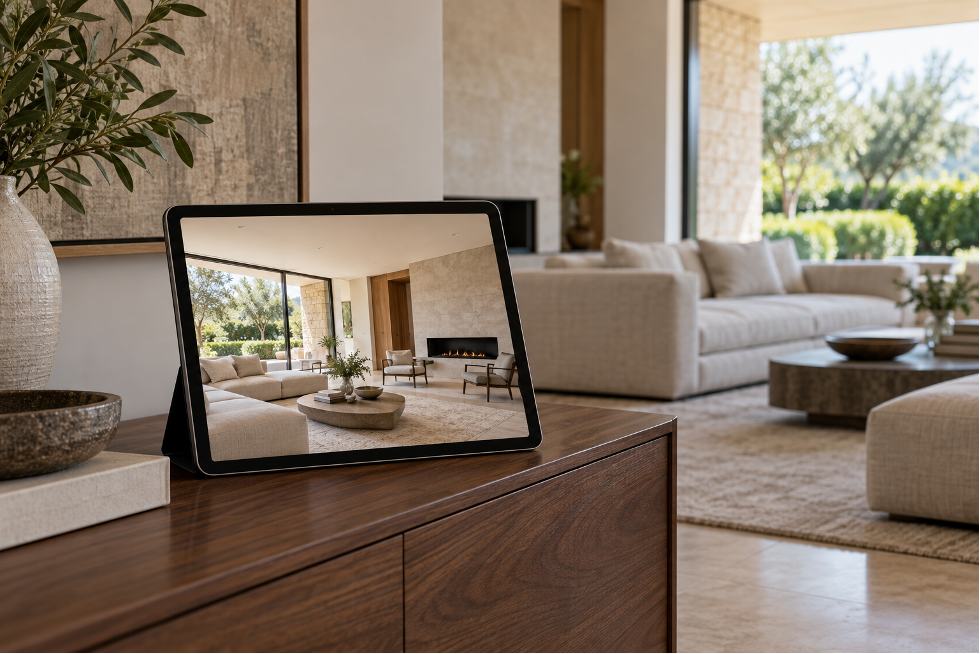
Remote luxury buyers need a clear distinction between seeing a property and evaluating it. A video can show the rooms, yet it cannot fully convey sound, scale or the feel of an approach. The agent must make those limits visible.
A useful remote process gives the buyer better questions as well as better views. Therefore, plan the work around what the buyer needs to decide. Do not let the camera’s route become the entire agenda.
Agree on the purpose of the session
First, ask what the buyer needs from the next tour. The goal might be to decide whether to travel, compare two finalists or study a specific layout concern. Each purpose calls for a different use of time.
Then confirm who will join the call and how they will take part. A spouse or advisor may need a clear view of certain spaces. Also agree on how the buyer can stop the tour to ask questions.
Send a brief route in advance, with a floor plan when available. Mark the spaces you intend to cover and the questions you plan to test. This gives the buyer a way to follow the home rather than watch a series of rooms.
Prepare remote luxury buyers for an honest tour
Explain that this session differs from a promotional video. You will move slowly, show less flattering angles and pause where something needs context. However, you will not treat the camera as a substitute for inspection or specialist advice.
Check the connection, microphone and available light before the call. Then arrange a backup method if the signal fails. The buyer should know whether you will reconnect, send a separate clip or reschedule part of the session.
Also obtain the required permission for access and any recording. Keep private belongings, security details and personal records outside the frame. A remote format does not reduce the need for care inside someone’s home.
Show how the rooms connect
Start with the approach and entrance when access allows. Then move through the home in a logical order without abrupt cuts. Let the buyer see how far each room sits from the next.
At key points, turn back toward the route you just walked. This helps reveal transitions, stairs and sightlines that a forward view can hide. Also pause at doors so the buyer can understand room access and circulation.
When size matters, use available measurements and identify their source. Do not estimate a fit that needs confirmation. Instead, record the question and arrange an appropriate measurement before the buyer relies on it.
Explain the setting beyond the screen
Next, show the relationship between the home and its surroundings. A close view of a terrace may hide a nearby road or neighboring window. Therefore, include wider views that give the buyer honest context.
Describe what you observe at that time, including noise or activity. However, avoid presenting one visit as proof of conditions throughout the day. Suggest another visit or a local review when timing could change the experience.
The principles in Luxury Real Estate Market Knowledge also apply to remote service. Facts become useful when the agent explains their relevance and limits. A remote buyer needs that context because personal observation remains incomplete.
Separate observations from conclusions
Use plain language about what you can see. You may notice staining near a window, but you cannot establish its cause through a call. Likewise, an attractive mechanical room does not prove that every system works well.
Keep a question log as you move through the property. Then sort questions into agent follow-up, seller records and professional review. This prevents a casual remark from becoming an unsupported assurance.
After the call, send a concise summary of unresolved points. Include the source for confirmed answers and the person responsible for each next step. If an answer changes, explain the change rather than quietly replacing the earlier note.
Help remote luxury buyers compare what they learned
Remote luxury buyers may have strong reactions without clear reasons. Therefore, ask which features improved the fit and which created doubt. Compare those answers with the buyer’s stated needs rather than the quality of the video.
For example, the buyer may like the living room but remain unsure about guest access. That points toward a layout question, not a request for more general footage. A focused second session may answer it better than another complete tour.
Also ask what the buyer could not judge from the screen. The answer may include ceiling scale, road noise or the relationship to neighbors. Keep those gaps visible when discussing whether the property deserves a personal visit.
Define the next decision carefully
End with a recommendation that matches the session’s purpose. You might recommend a visit, further records or another targeted review. Do not imply that the buyer has completed all necessary evaluation because the call went well.
Then agree on a realistic timeline for the remaining work. If the buyer considers an offer, involve the appropriate professionals and explain unresolved property questions. The remote process should support informed choices without creating false certainty.
Build stronger remote buyer service
Good service helps remote luxury buyers understand the home and the limits of their current view. It also gives them a practical path to close the gaps. That is the agent’s central responsibility during a screen-based evaluation.
If you want to improve your remote buyer process, Contact me. I help agents build practical luxury service skills and clearer client guidance. We can review how your tour, follow-up and local resources support buyers who cannot attend in person.